1. Safety first
Everyone leaves the area, and 911 is called if anyone is in danger. Crews check air and surroundings before entering.
Stryker, OH · Williams County
A chemical release at a Stryker property raises questions fast. Call (877) 812-4220 and describe what you see. The team explains how it would contain the spill, clean up and dispose of the waste.
If anyone is in danger, call 911 first. For a suicide crisis, call or text 988.
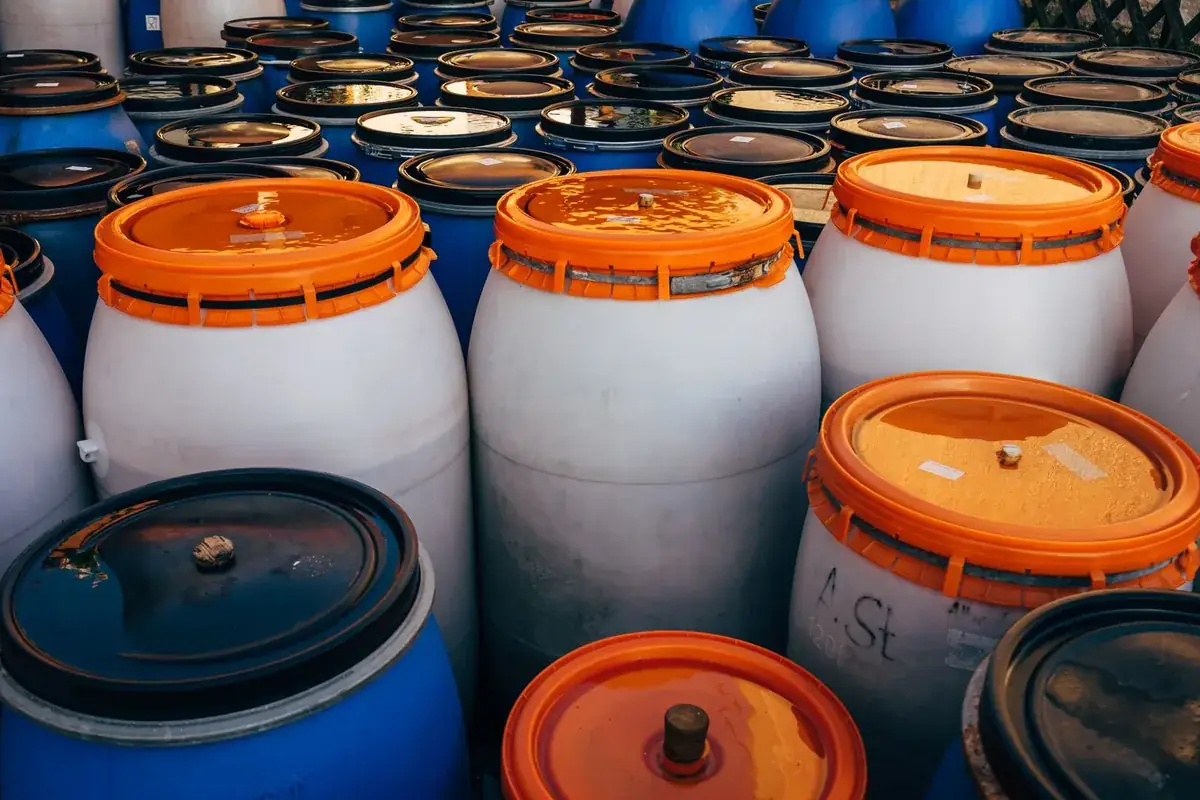
Chemical cleanup is the use of protective gear, absorbent materials and suitable products to remove a harmful substance from a floor, a surface or the ground. The method depends on what the substance is.
For toxic waste cleanup in Stryker, get the crew, the protective equipment and the containers in one call to Stryker Biohazard Cleanup Help. You get discretion, clear communication and a site that is safe again.
About 78% of homes in Stryker were built before 1980, and older garages and sheds often hold decades of paint, solvents and pesticides. With vacancy at about 7% of homes in Williams County, chemical problems are usually found quickly by residents or neighbors.
The work often covers:
Everyone leaves the area, and 911 is called if anyone is in danger. Crews check air and surroundings before entering.
The team arrives in an unmarked vehicle, checks in with the owner and secures the area. Suits go on at the edge of the work zone.
Containers and contaminated materials come out first. Floors, shelves, walls and equipment are cleaned with products that suit the substance.
The team inspects the cleaned area and explains what was done. Waste leaves the property in labeled containers for lawful disposal.
The cost of chemical & toxic waste cleanup in Stryker, OH depends on the amount of material, how it is packed and how it is hauled.
Size and spread matter. A spill on a sealed floor is far less work than one that soaked into soil, concrete or porous materials like wood and drywall.
| Type of job | Typical range |
|---|---|
| Hazardous chemicals | $30 - $50 per barrel |
Estimates only, not a quote. Sources: Fixr. Price drivers include type of chemical, amount, packaging and transport, disposal fees. Call (877) 812-4220 to talk through the job.
Usually yes. Crews arrive in unmarked vehicles, work quietly and keep the job private. Tell the team at the start if discretion matters, and it will plan around that.
Yes. Many calls come from managers who find drums, jugs or unlabeled containers in a vacated unit. The lease and local law decide who pays, and the crew can provide photos and records.
Biological hazards come from living things, such as bacteria, viruses and body fluids. Chemical hazards come from substances like solvents, acids, fuels and pesticides. They need different gear, products and disposal, and some jobs involve both.
Chemicals can irritate or burn skin and eyes, harm the lungs and poison people who swallow them. Some give off fumes or catch fire. Call 911 in an emergency and Poison Control for exposure questions, and tell them the product name if known.
Some products release toxic gas when combined. Bleach and ammonia are a well-known example. Never mix products to clean a spill, and leave the area if you smell fumes.
It depends on the substance. Teams choose absorbent materials, tools and cleaning products to match it, and they follow the maker's safety data sheet. Household products are not mixed together. Ask what the team plans to use and why.
Calls are answered 24/7, and the work is kept discreet.
Call (877) 812-4220